
My child has no idea what career they want. What should we do?
In a tough job market, young people have to be creative.
This is one of the most common worries I hear from parents. And the truth is, it’s far more normal than you think.
Many teenagers and young adults feel pressure to “have it all figured out”. But the world of work has changed. Careers are no longer linear and most people I speak to in their 40s and 50s have pivoted several times.
Why young people feel stuck
Often, it’s not a lack of ambition. It’s a lack of:
Exposure to varied career options – those jobs less visible than teachers, doctors, vets and lawyers etc!
Understanding of their strengths and what motivates them
Confidence to make decisions
Knowledge about what employers value
The mistake many parents make
The instinct is to push for quick decisions:
“You need to choose something.”
“What are you going to do one you’ve finished school/uni?”
This can increase anxiety and avoidance… which in turn can lead to a breakdown in communication. Instead, the goal is to move from pressure to exploration.
A better approach
Here are practical steps you can take.
1. Focus on strengths, not job titles
Rather than asking “What job do you want?”, ask really open questions to show genuine curiosity:
What do you enjoy doing?
When do you feel most confident? And energised?
What type of problems do you like solving?
Understanding natural strengths is one of the most important areas to understand before deciding on a career path – otherwise work can feel like hard work!
2. Encourage small experiments
Young people gain clarity through experience:
Work experience
Part-time jobs
Online projects
Volunteering
Informal career conversations
Even short experiences build confidence and insight.
3. Normalise uncertainty
Let them know it’s okay not to have all the answers. This reduces pressure and opens conversations.
4. Use structured career tools
Profiling tools such as Morrisby and strengths profiles can provide a clear picture. They highlight strengths, motivations and potential pathways.
When to seek professional guidance
If your child:
Avoids conversations about the future
Feels anxious or overwhelmed
Lacks confidence
Keeps changing direction
Structured support can make a significant difference.
The goal is not to choose a career overnight.
It’s to build clarity, confidence and momentum.
FAQ section
Is it normal for teenagers to feel unsure about their future?
Yes. Many young people feel uncertain because they have limited exposure to real career options. This stage is about exploration rather than having everything planned.
What age should we start career guidance?
It is helpful from around Year 9 onwards. Early conversations build confidence and reduce pressure later.
Will career coaching really make a difference?
Structured support can improve clarity, confidence and decision-making. Many young people simply need guidance and encouragement to move forward.
What if my child refuses to talk about careers?
This is common. A neutral professional can often open conversations more easily than parents (because we less annoying, obviously!).
How does strengths profiling help?
It provides an objective starting point by identifying strengths, motivations and potential pathways.
If you’d like personalised support, I offer a free 20-minute introductory call to understand your child’s situation and goals. https://calendly.com/fiona-careersuccess/30min

I'm Fiona, a qualified career & confidence coach helping young adults launch their careers.
I fell into my first career, and stayed there for 10 years - even though it never truly suited me. By the end, I was burnt out and lacking confidence. That experience fuels my passion for helping young people find careers that genuinely align with their strengths and values.
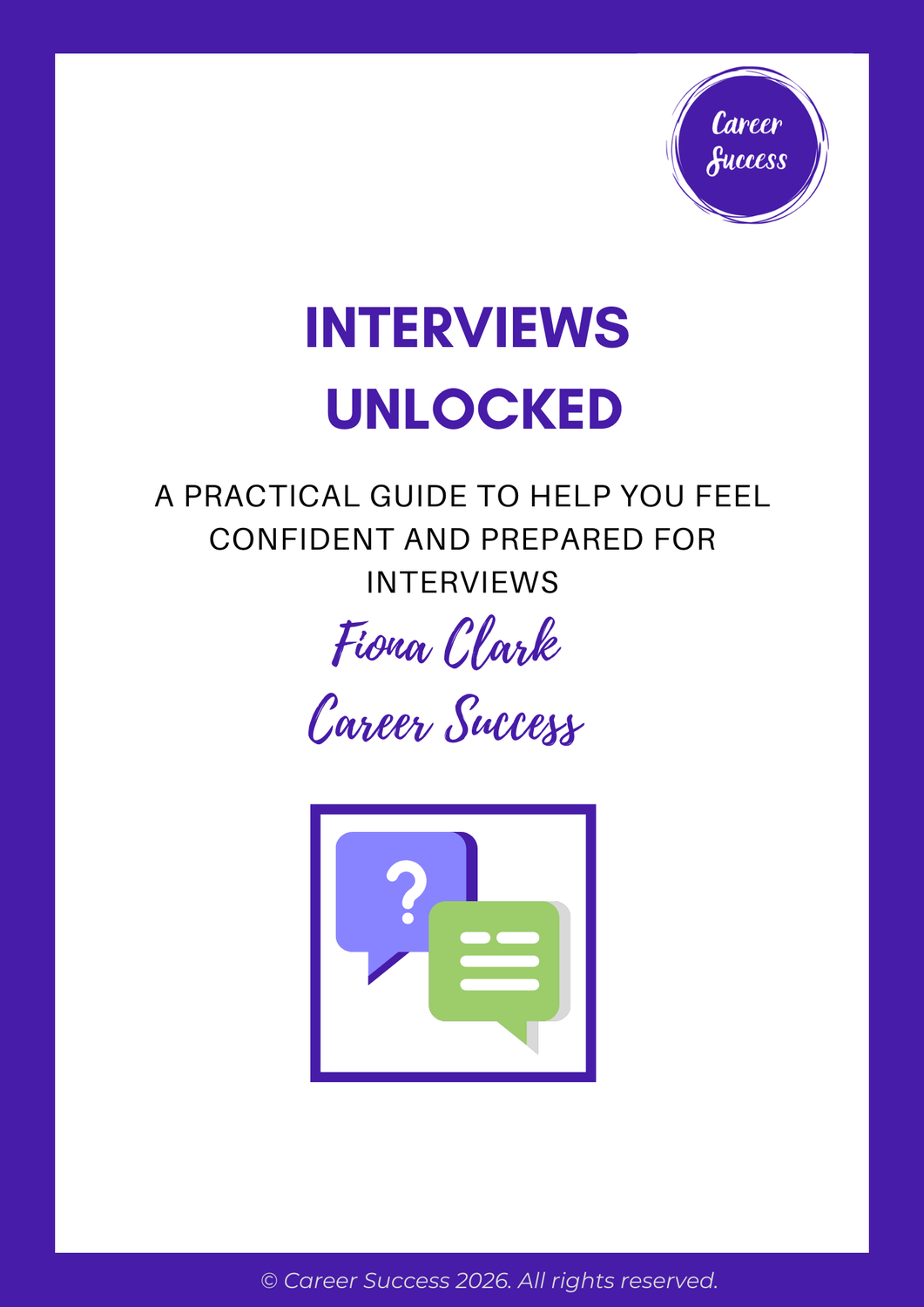
Download my FREE "Interviews Unlocked" guide
To help you feel confident and prepared for interviews.

Helping young people launch their careers
- with confidence, clarity & strategies that work
07789 597209


